







Search Results for: French press brewing parameters
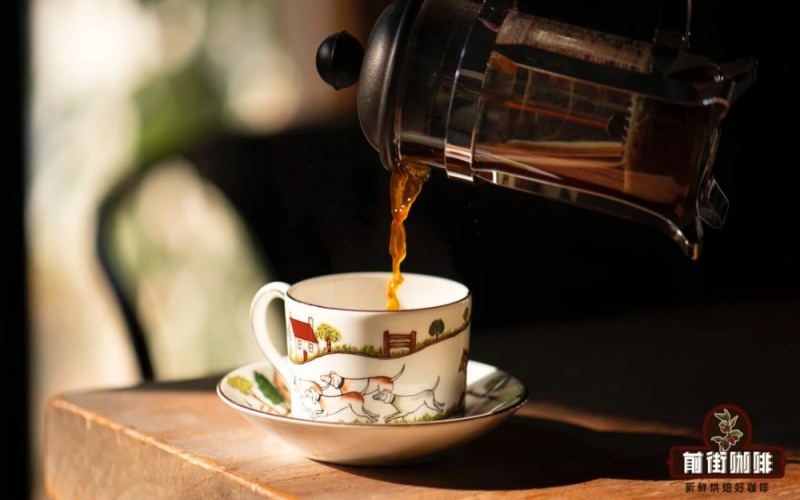
Origins of the French Press | How to Make Coffee with a French Press? Which Single-Origin Coffee Beans Are Suitable for the French Press? French Press Coffee Brewing Parameters
For more specialty coffee knowledge, please follow: Front Street Coffee (Frontsteet Coffee) The French press is one of the simplest coffee brewing devices to operate and is quite popular in Europe and America, but most people in China know it as "something used to brew tea [more…]

What Coffee Grounds Are Suitable for a French Press? Detailed Explanation of Hot vs. Cold Brew Differences and Brewing Parameters
The French Press was invented in France in the 19th century, and thanks to its simple structure and easy operation, it remains a daily choice for many coffee lovers today. It uses immersion extraction, requiring only three steps to brew: add grounds, pour water, and press the plunger. But to consistently produce a good cup of coffee, the coffee-to-water ratio, grind size, water temperature, and steeping time all need to be carefully controlled. Drawing on extensive brewing experience, Front Street Coffee offers coffee bean recommendations and parameter suggestions suited to the French Press, and extends this into a complete method for making iced coffee with a French Press. In addition, the French Press can also serve as a cupping tool, a tea-making vessel, or even a milk frother, and there are finer points to cleaning and disassembling it. [more…]
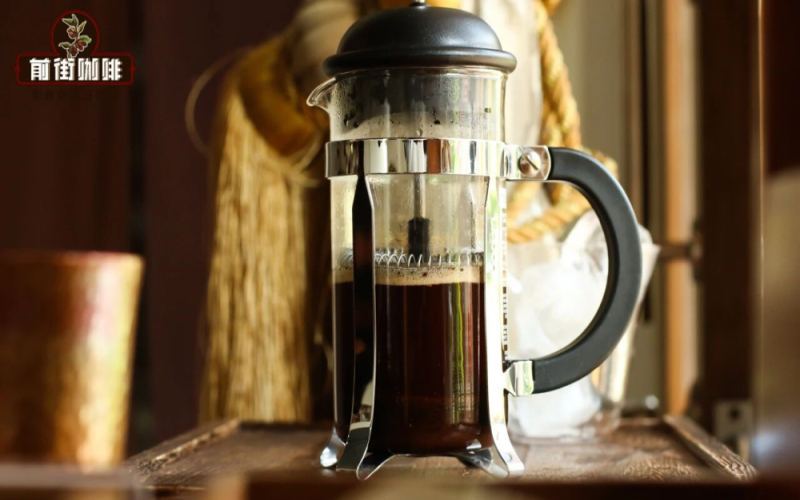
The Complete Guide to French Press Coffee Brewing: A Detailed Explanation of Grind Size, Steeping Time, and Water Temperature Parameters
The French press is easy to use and extremely popular in European and American households, yet many people in China treat it merely as a tea-making tool. In fact, the body and balance of coffee brewed in a French press are no inferior to pour-over, and it can make more than two servings at a time, making it very suitable for everyday home use. Front Street Coffee has always listed the French press as one of the top beginner-friendly brewing devices. This article will provide specific parameter recommendations across four dimensions—grind size selection, steeping time, water temperature control, and coffee-to-water ratio—and explain which roast types of coffee beans best showcase the advantages of the French press. Finally, it includes notes on daily cleaning and maintenance to help you consistently brew a delicious cup of French press coffee. [more…]
What coffee grounds are suitable for a French press? A complete guide from parameters to iced coffee and cleaning
Since the French press was born in 19th-century France, its simple structure and immersion brewing method have made it a daily choice for many coffee lovers. But if you want to consistently produce a good cup with it, there are finer points to how the coffee grounds should be chosen, how coarse the grind should be, how hot the water should be, and how long it should steep. This article starts from Front Street Coffee's hands-on experience, sorting out the French press's coffee-to-water ratio, grind size, water temperature, and time parameters, and extends to uses such as cupping, tea brewing, and milk frothing. It also includes a French press iced coffee extraction plan and disassembly and cleaning methods to help you use this simple device more thoroughly. [more…]
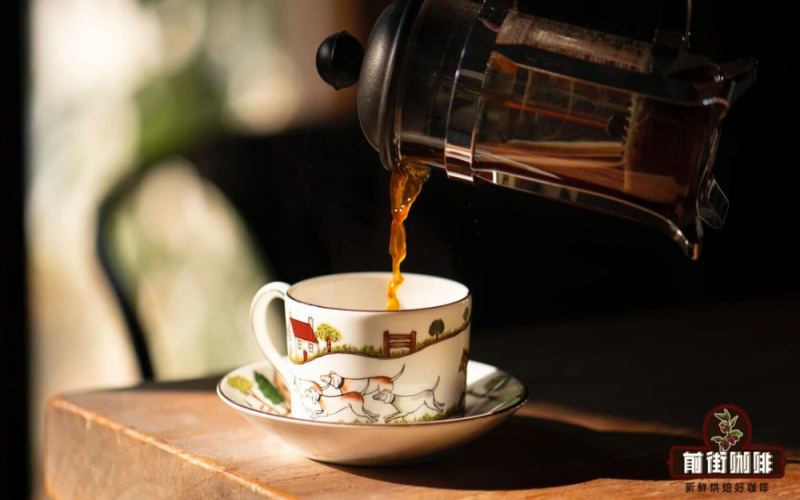
The Complete French Press Guide: Professional Brewing Parameters from Grind Size to Steep Time, Plus Coffee Bean Recommendations
The French press is simple to operate and popular in Europe and America, but many people only treat it as a tea-making tool. In fact, the coffee it makes is no less flavorful than pour-over, and it can brew more than two servings at once. Front Street Coffee has always regarded the French press as the preferred device for easy home brewing. This article will start with the principles of the device, explain key parameters one by one such as grind size, steeping time, water temperature control, and coffee-to-water ratio, and answer which coffee beans are more suitable for the French press. Finally, it will include cleaning and maintenance tips to help you consistently make a cup of rich, well-balanced French press coffee. [more…]
The Complete Guide to French Press Coffee Brewing: From Parameter Settings to Bean Selection and Cleaning Tips
The French press has a low barrier to entry and delivers consistent results, making it extremely common in Western households, but many people in China only treat it as a tea-making tool. In fact, as long as you master a few key variables—grind size, steeping time, water temperature, and coffee-to-water ratio—a French press can deliver just as rich a flavor as pour-over, and it can easily brew more than two servings at once. Drawing on Front Street's hands-on experience, this article systematically breaks down French press brewing parameters, offers specific recommendations for beans of different roast levels, and finally highlights an often-overlooked cleaning detail to help you consistently reproduce a delicious cup of French press coffee. [more…]
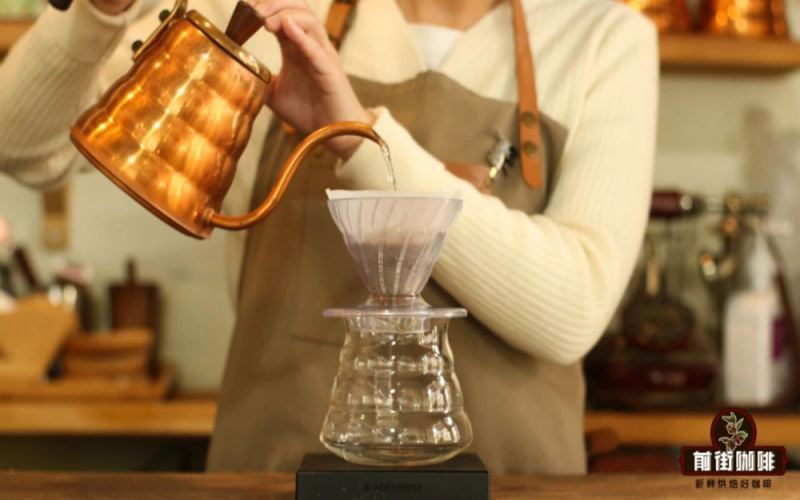
The Complete Guide to French Press Coffee Brewing: Parameter Settings and Detailed Differences from Pour-Over
For friends who find pour-over coffee difficult to master, Front Street suggests trying a different approach—give the French press a go. The biggest advantage of the French press is its simple operation; it doesn't require complex pour-over techniques. As long as you set a few core parameters, you can consistently make a good cup of coffee. This article covers grind size, coffee-to-water ratio, water temperature, steeping time, and specific operating steps, and also compares the fundamental differences in extraction logic between the French press and pour-over coffee, helping everyone understand why the French press is more beginner-friendly and adapts to a wider range of coffee beans. At the end of the article, there is also a hands-on demonstration using Front Street's Brazil Queen's Estate Yellow Bourbon, making it easy to practice along. [more…]
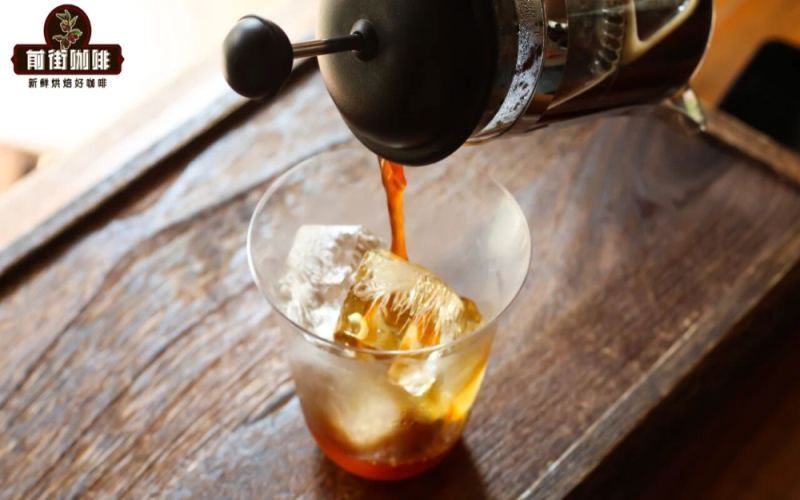
French Press Coffee Extraction Principles and Brewing Parameters Explained: From Grind Size to a Huakui Hands-On Demonstration
The French press is easy to operate and affordable, making it the top choice for many coffee novices entering the world of specialty coffee. However, behind the seemingly simple immersion extraction, there are actually many subtleties hidden, such as grind size, water temperature, and coffee-to-water ratio. This article will trace the historical origins of the French press, clarify its extraction principles, and provide a detailed analysis of the key points for brewing clean, rich coffee with a French press. At the same time, Front Street Coffee will use an Ethiopian Hualei natural-process bean as an example to demonstrate the entire process from parameter setting to pouring and pressing, helping you easily master the correct way to use a French press. [more…]
The Complete Guide to Brewing Coffee with a French Press: Bean Selection, Grind Size, and Detailed Water Temperature and Timing Parameters
The French press has a low barrier to entry and delivers consistent results, enjoying extremely high popularity in European and American households, yet many domestic users still habitually treat it as a tea-making tool. In fact, as long as you master the variables of grind size, steeping time, water temperature, and coffee-to-water ratio, a French press can fully bring out coffee flavors on par with pour-over, and it can produce more than two servings at a time, making it very well suited to home use. In its daily recommendations, Front Street Coffee also often lists the French press as a top choice tool for beginners. This article will cover four dimensions—suitable bean varieties, parameter settings, brand bean selection advice, and cleaning and maintenance—to help coffee lovers reliably reproduce a rich, balanced cup of French press coffee in a simple way. [more…]
French Press Coffee Brewing Guide: Parameter Settings and Recommended Coffee Beans
The French press is easy to use and extremely common in European and American households, but many people in China only treat it as a tea-making tool. In fact, coffee brewed with a French press is no less flavorful than pour-over, and it can make more than two servings at a time, making it very suitable for relaxed home enjoyment. Front Street Coffee has always recommended the French press as the top choice for beginners who want to make coffee at home. However, the French press seems simple, but if you want to brew a good-tasting cup, parameters such as grind size, steeping time, water temperature, and coffee-to-water ratio all need attention, and there are also particular considerations when choosing beans. Below, Front Street will give specific suggestions one by one to help you avoid common pitfalls and easily make a cup of rich, balanced French press coffee. [more…]
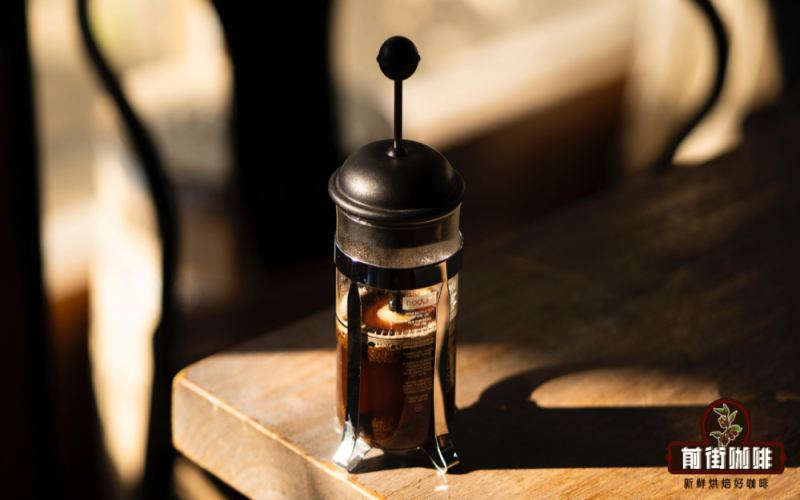
Extraction parameters for brewing Hualgui coffee in a French press: how to set water temperature, coffee-to-water ratio, and grind size for best results
The French press is easy to operate and produces consistent results, making it the preferred device for many coffee enthusiasts brewing at home. However, when brewing Huakui coffee with a French press, improper control of water temperature, coffee-to-water ratio, and grind size can easily lead to bitterness or a weak, bland cup. Drawing on Front Street Coffee's brewing experience, this article first introduces the growing region background and flavor characteristics of Huakui coffee beans, then provides specific parameters and steps for brewing Huakui with a French press, including a water temperature of 90°C, 15 grams of coffee, a 1:15 coffee-to-water ratio, and a grind size with a 70% passing rate through a Chinese standard No. 20 sieve. It also explains why a French press is suited to coarser grinds and how grind size affects extraction results, helping readers reproduce a full-bodied, rich cup of Huakui coffee at home. [more…]
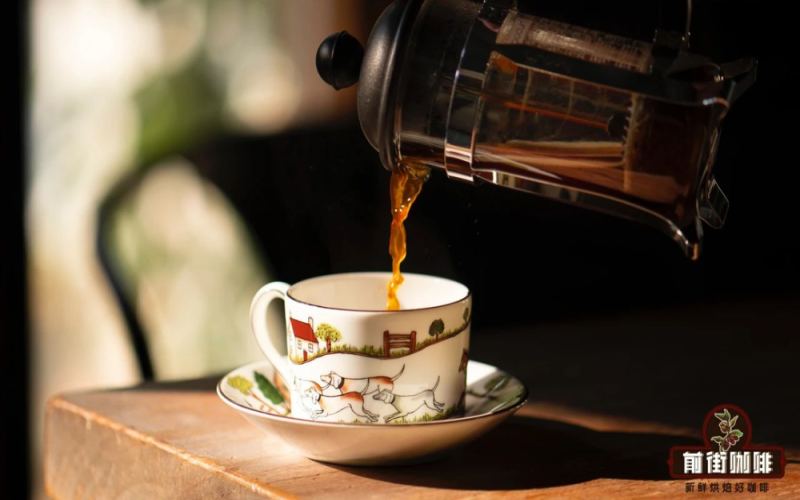
A Complete Guide to Brewing Coffee with a French Press: From Bean Selection and Parameters to Operation, with Front Street Coffee Bean Recommendations
The French press has a simple structure, consisting of a heat-resistant glass carafe and a metal filter with a plunger. It was originally designed for brewing tea, but was later adopted by coffee enthusiasts to brew coffee, and it was unexpectedly discovered that the resulting cup is remarkably rich and full-bodied. This article will systematically explain how to make a good cup of coffee with a French press, covering everything from choosing the roast level and recommending coffee beans to specific brewing parameters and operating steps. It will explain why medium-dark roasted beans are better suited to French press extraction, and recommend three beans: Front Street Coffee PWN Golden Mandheling, Front Street Coffee Queen's Estate, and Front Street Coffee Strawberry Candy, corresponding to the three flavor directions of rich, nutty, and fruity respectively. In addition, it will provide key data such as the coffee-to-water ratio, water temperature, and steep time, along with the extra use of a French press for frothing milk, for everyday reference. [more…]
French Press Guide | Is French Press Coffee Suitable for Beginners? French Press vs. Pour-Over: What's the Difference? Comparing the Taste and Mouthfeel of French Press and Pour-Over Coffee
Many friends have complained to Front Street Coffee that "pour-over coffee is so hard to learn" and "I've been brewing for so long and still can't get it right." For those in this situation, Front Street Coffee suggests trying a French press to brew coffee. Compared with pour-over coffee, the biggest feature of brewing with a French press is that it involves far fewer manual actions, reducing a lot of uncertainty [more…]
The Complete Guide to Brewing Coffee with a French Press: A Detailed Explanation of Grind, Ratio, Water Temperature, and Time Parameters
Compared with pour-over coffee, the French press has a much lower barrier to entry. It doesn't require complicated techniques—as long as you get the key parameters right, you can consistently brew a good cup of coffee. This article focuses on four core variables: grind size, coffee-to-water ratio, water temperature, and steeping time. It explains the brewing logic of the French press one by one, and uses Front Street Coffee's Brazil Queen Estate Yellow Bourbon coffee beans for a complete demonstration. From adding the grounds to pressing the plunger, every step has specific data you can refer to—perfect for those who find pour-over daunting and want a different approach to extracting a delicious cup of coffee. [more…]
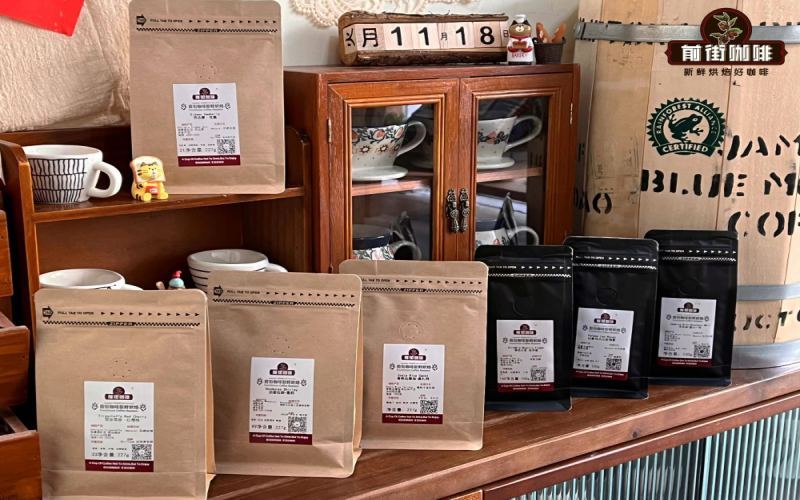
How to Brew a Clear Cup with a French Press: Debris Removal Techniques, Parameter Adjustments, and Front Street Coffee Bean Recommendations
The French press is easy to operate and requires no filter paper, allowing it to retain coffee oils and original flavors, but the murky texture caused by coffee grounds often troubles people. This article focuses on techniques for removing grounds in the French press, systematically explaining how to make French press output approach the cleanliness of pour-over, from grind size control, coffee-to-water ratio setting, water quality selection, to brewing steps and filter paper remedies. At the same time, combined with Front Street Coffee's bean list, it explains the performance advantages of medium-dark roast balanced beans in the French press, and provides alternative suggestions for light roast beans and specific brewing parameters, helping coffee enthusiasts find a balance between convenience and flavor. [more…]
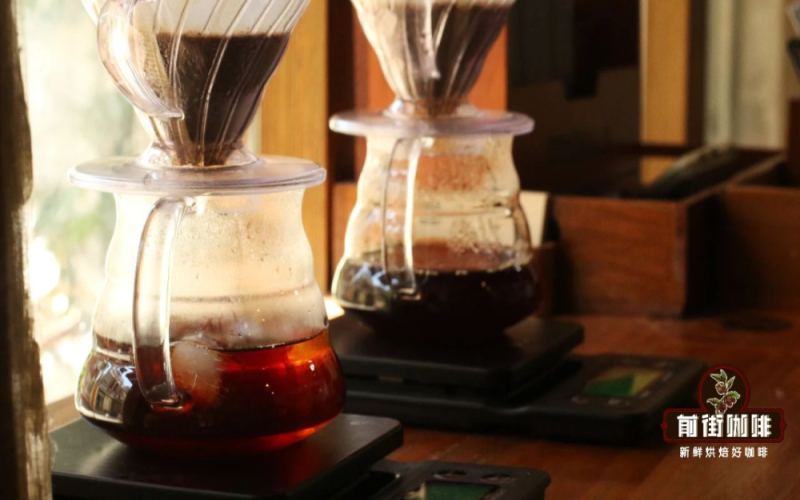
A Complete Beginner's Guide to the French Press: From Extraction Principles to Brewing Parameters, a Step-by-Step Guide to Making a Good Cup of Coffee
In a fast-paced life, do you crave a good cup of coffee but struggle to find the time? A French press might just be the ideal choice that balances convenience and flavor. It is simple to operate, easy to replicate, and fully preserves the coffee's oils and aroma, delivering a rich, rounded mouthfeel. It is neither as technique-demanding as pour-over nor as easy to pick up as espresso. This article will start with the origins, structure, and working principle of the French press, then break down in detail the steps and key parameters for making French press coffee, including the coffee-to-water ratio, water temperature, grind size, and steeping time. It will also compare the differences in oil extraction between espresso machines and moka pots, and share Front Street Coffee's professional advice on coffee bean freshness and grinding timing, helping you easily master the correct way to use this "lazy person's pot." [more…]
What Coffee Beans to Choose for French Press Brewing? A Detailed Guide to Grind Size and Practical Parameters Using Huakui as an Example
The French press is simple to operate and requires no complex equipment, making it the top choice for many coffee lovers looking to recreate great flavors at home. But if you want to brew a clean-tasting cup with it, bean selection and grind size are both crucial. From the perspective of Front Street Coffee, this article first reviews the history and structural principles of the French press, then uses Huakui coffee beans as an example to introduce their origin background, the story behind the name, and flavor characteristics, and provides specific parameters for water temperature, coffee dose, coffee-to-water ratio, and grind size. The article also compares the differences in grind size between pour-over and French press, explaining why the French press is better suited to a coarser grind, helping readers avoid the common problems of bitterness and excessive acidity. [more…]
A Complete Guide to Brewing Huakui Coffee with a French Press: Parameter Selection, Grind Size, and Extraction Principles Explained
The French press is simple to operate with a low barrier to entry, making it the preferred brewing device for many coffee enthusiasts at home. However, when using a French press to brew Huakui coffee beans, it is easy to end up with bitterness or a weak, bland cup if you're not careful. Drawing on Front Street Coffee's hands-on experience, this article systematically reviews the history of the French press, the origin background and flavor characteristics of Huakui coffee beans, and provides specific recommendations for water temperature, coffee dose, coffee-to-water ratio, and grind size. It also explains, in light of the extraction characteristics of medium-light roasted beans, why a French press requires a coarser grind than pour-over, helping readers avoid the two extremes of over-extraction and under-extraction in immersion brewing, and consistently produce a full-bodied, rich cup of Huakui coffee. [more…]
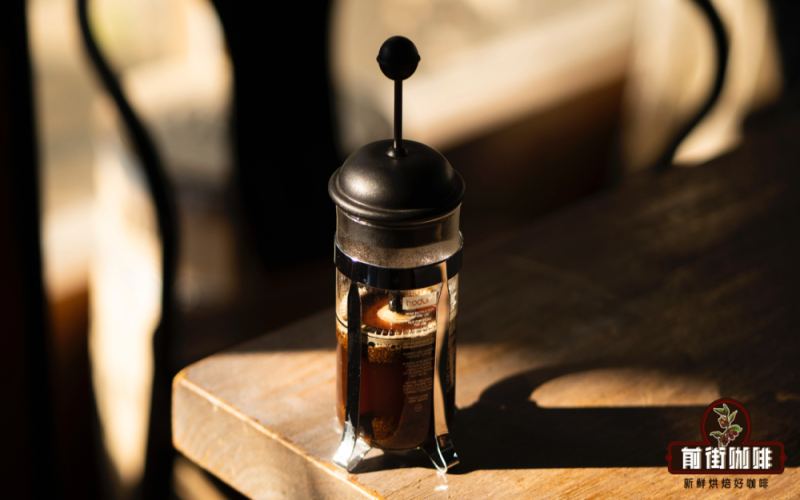
French Press Buying Guide: Extraction Principles, Brand Comparison, and Analysis of Cost-Effective Models
The French press has become a popular choice for home coffee brewing because it is easy to operate and requires no complex pouring technique. WBC World Barista Championship competitor Suzuki Itsuki once pointed out that the French press's standout advantage lies in its simple principle, easy learning curve, and freedom from paper-filter interference, allowing it to present the true taste of coffee directly. In this article, Front Street Coffee systematically sorts out the structure and extraction logic of the French press, explains in detail the four major variables of coffee-to-water ratio, grind size, water temperature, and steeping time, and shares recommended parameters for medium-light and medium-dark roasted beans. It also traces the historical development of the French press from the 1852 French patent to its commercialization by Bodum, recommends a bean list suited to it, including Front Street Brazil Queen's Estate, Honduras Sherry Barrel, Jamaica Blue Mountain No. 1, and Indonesia Golden Mandheling, and finally reminds readers of the key points for daily disassembly, cleaning, and maintenance, helping you choose a French press that is easy to use and not expensive. [more…]
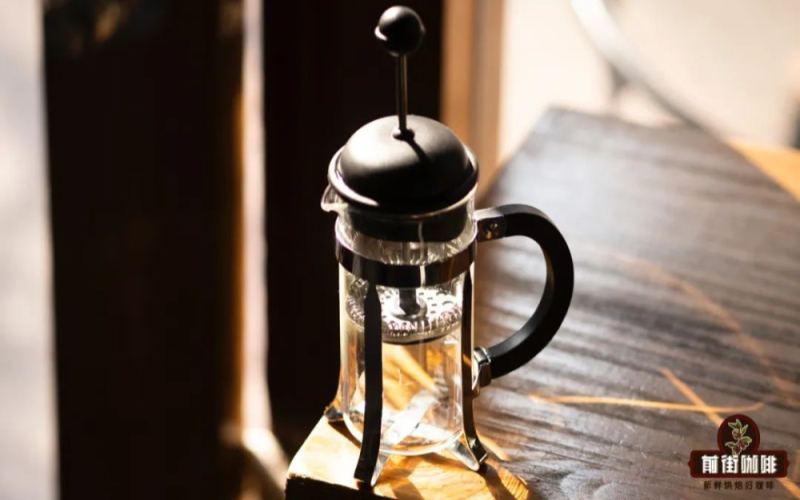
The Complete Guide to Brewing Geisha Coffee with a French Press: Grind, Water Temperature, Ratio, and Timing Parameters Explained
The French press has a low barrier to entry, but if you want to consistently brew a good cup of coffee, the key still lies in parameter control. This article starts with the origin and structure of the French press, sorts out the approach to bean selection, and gives specific suggestions around four variables: grind size, water temperature, coffee-to-water ratio, and steeping time. Using the medium-light roasted Front Street Grana Geisha as an example, it explains the yellow peach, apricot, citrus, and lemon notes brought by the natural process, as well as its refreshing performance whether hot or cold. It will also mention the pros and cons of a fine grind, the trade-off between body and clarity brought by the metal filter, and the key points for disassembling and cleaning after use. [more…]